Gout is a painful joint condition that affects many people worldwide. It often causes swelling and redness, especially in the big toe. Many seek natural ways to manage gout. Ayurvedic treatment for gout offers gentle remedies, herbal medicines, and lifestyle tips. Ayurveda, an ancient Indian system, focuses on balancing the body for better health. In this blog, you will learn about gout, how Ayurveda views it, and natural gout remedies you can try at home.
What Is Gout?
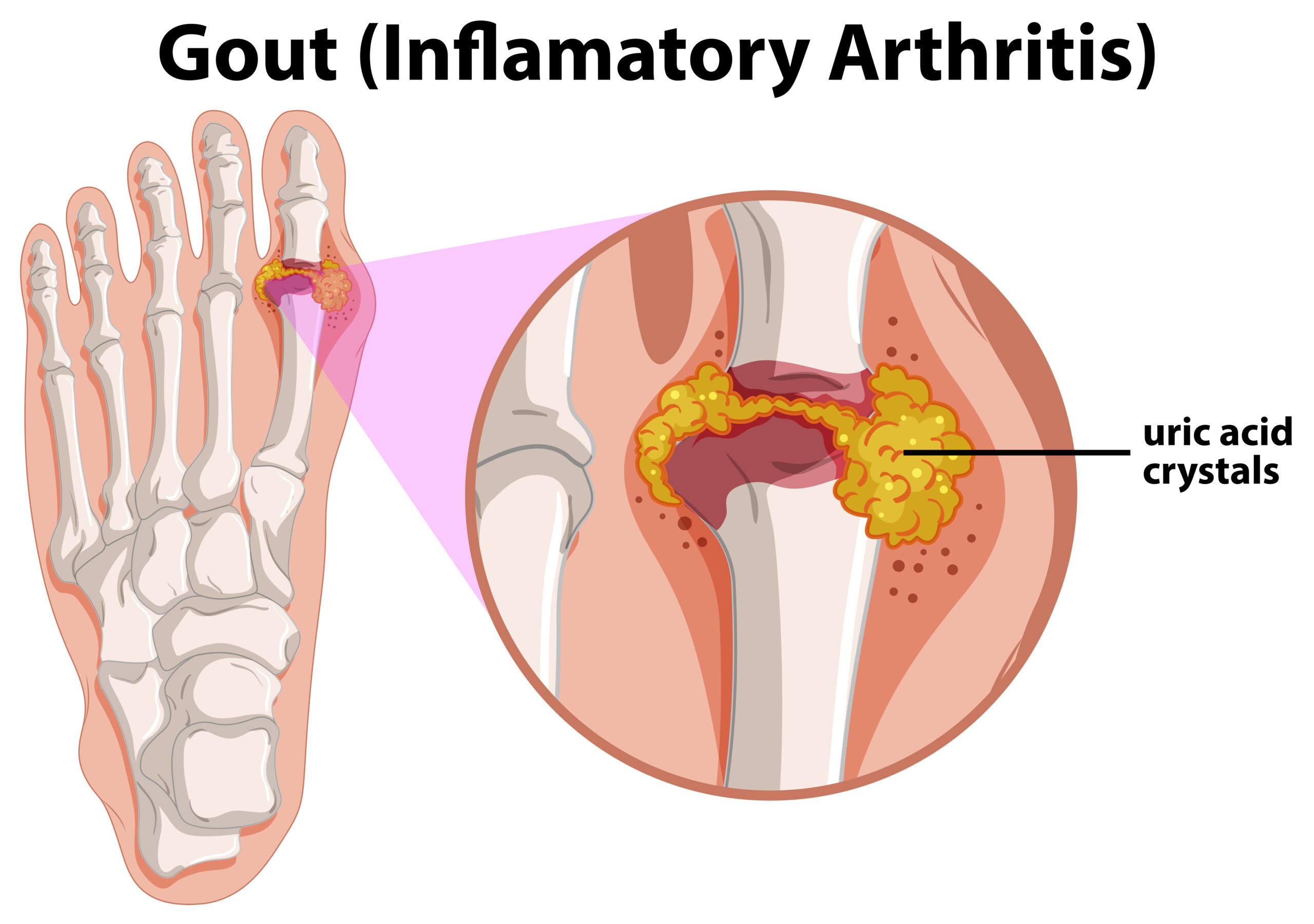
Gout is a type of arthritis. It happens when uric acid builds up in the blood. This acid forms sharp crystals in the joints, causing pain and swelling. Usually, gout attacks start suddenly, often at night. The big toe is a common spot, but other joints can hurt too.
Common symptoms of gout include:
Several things can cause gout. For example, eating foods high in purines, drinking alcohol, or having kidney problems can raise uric acid levels. Family history and being overweight also increase risk. (Source: CDC)
How Ayurveda Views Gout
Ayurveda sees gout as a problem of imbalance. In Ayurvedic terms, gout is called “Vatarakta.” This word means a mix of “Vata” (air and movement energy) and “Rakta” (blood). When these two get disturbed, gout symptoms appear. According to Ayurveda, poor diet, stress, and lack of exercise can upset this balance. As a result, toxins called “Ama” build up in the body. These toxins settle in the joints, causing pain and swelling.
Ayurveda aims to restore balance. It uses herbs, diet, and lifestyle changes to remove toxins and calm the body.
Ayurvedic Treatment for Gout
Ayurvedic treatment for gout focuses on reducing pain, removing toxins, and balancing the body. Many people look for natural gout remedies and Ayurvedic herbs for gout. Here are some common approaches:
Always talk to a qualified Ayurvedic practitioner before starting any new remedy. They can guide you on safe and effective options. (Source: PubMed, peer-reviewed Ayurvedic journals)
Diet and Lifestyle Recommendations
Diet plays a big role in gout management. Ayurveda suggests eating foods that are easy to digest and help reduce uric acid. Here are some gout diet in Ayurveda tips:
On the other hand, avoid foods that can trigger gout:
Besides diet, daily routines matter. For example, gentle exercise, regular sleep, and stress management help keep the body balanced. Try yoga or meditation to relax the mind. Also, avoid sitting for long periods, as movement helps circulation.
Prevention and Self-Care Tips
Preventing gout flare-ups is possible with simple steps. Here are some Ayurvedic lifestyle tips for gout:
These habits can lower your risk of future gout attacks. However, if you notice new or worsening symptoms, take action early.
When to Consult an Ayurvedic Practitioner
While home remedies can help, sometimes you need expert advice. You should consult a qualified Ayurvedic practitioner if:
In many cities, Ayurvedic gout treatment is available at clinics and wellness centers. A professional can suggest the best herbs, therapies, and diet for your needs.
Conclusion
Ayurvedic treatment for gout offers natural remedies, herbal medicines, and lifestyle changes. With the right diet and daily habits, you can manage gout and prevent flare-ups. However, always consult a qualified Ayurvedic practitioner at Gurukrupa Sanjeevani Ayurveda Hospital for personalized gout management. Your health and comfort matter most.