
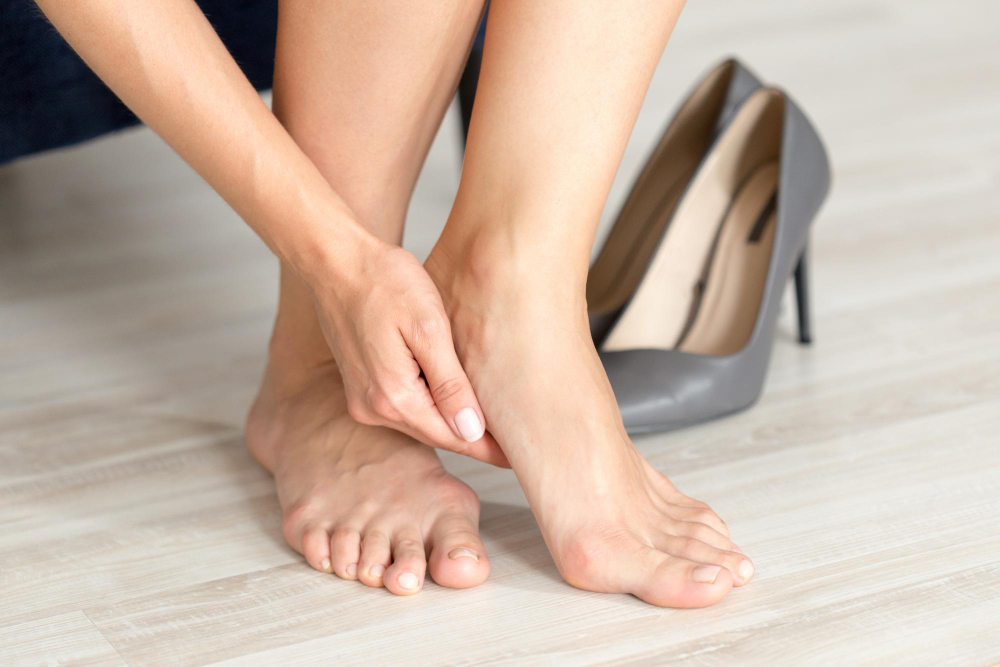
Heel pain is a common foot problem that can make walking difficult. Many people experience discomfort in the bottom or back of the heel. Ayurveda for heel pain offers natural remedies and holistic care. In Ayurveda, ancient Indian medicine, heel pain is seen as a sign of imbalance in the body. Because of this, Ayurvedic treatment for heel pain focuses on restoring balance with herbs, oils, and lifestyle changes. If you want natural remedies for heel pain or Ayurveda foot pain relief, this guide will help you understand your options.
What is Heel Pain?
Heel pain is discomfort or soreness in the heel area of the foot. Usually, it affects the bottom or back of the heel. For many, the pain is worse in the morning or after standing for a long time. Common symptoms include:
Because heel pain can limit daily activities, finding relief is important for many people.
Causes of Heel Pain
Heel pain can have many causes. In modern medicine, common reasons include:
In Ayurveda, heel pain is often linked to an imbalance in the body’s natural energies, called doshas. Because both physical and lifestyle factors matter, Ayurveda looks at the whole person, not just the foot.
Ayurvedic Perspective on Heel Pain
According to Ayurveda, the body is made up of three doshas: Vata, Pitta, and Kapha. When these doshas are balanced, you feel healthy. However, when they are out of balance, pain and illness can occur. Heel pain is often caused by an aggravated Vata dosha, which controls movement and dryness in the body. Sometimes, Pitta (heat and inflammation) or Kapha (swelling and heaviness) may also play a role. Because Ayurveda treats the root cause, it aims to restore balance and support healing.
Ayurvedic Remedies for Heel Pain
Ayurveda offers many natural remedies for heel pain. These focus on reducing pain, swelling, and restoring balance. Some popular Ayurvedic treatments include:
Because each person is unique, remedies may vary. Always consult a qualified Ayurvedic practitioner before starting any treatment.
Lifestyle and Dietary Guidance
Ayurveda believes that daily habits and diet play a big role in healing. For heel pain, consider these tips:
Because stress can worsen pain, try relaxation techniques like deep breathing or meditation.
Prevention Tips
Preventing heel pain is easier than treating it. Ayurveda suggests these self-care steps:
Because small changes can make a big difference, follow these tips daily for best results.
When to See a Specialist
Most heel pain improves with home care. However, you should see a doctor or Ayurvedic specialist if:
Because some conditions need medical care, do not ignore serious symptoms. The World Health Organization (WHO) and other health experts recommend early treatment for foot pain to prevent complications.
In summary, Ayurveda for heel pain offers natural, gentle ways to find relief and prevent future problems. For personalized guidance, consult an Ayurvedic specialist at Gurukrupa Sanjeevani Ayurveda Hospital for heel pain care tailored to your needs.